
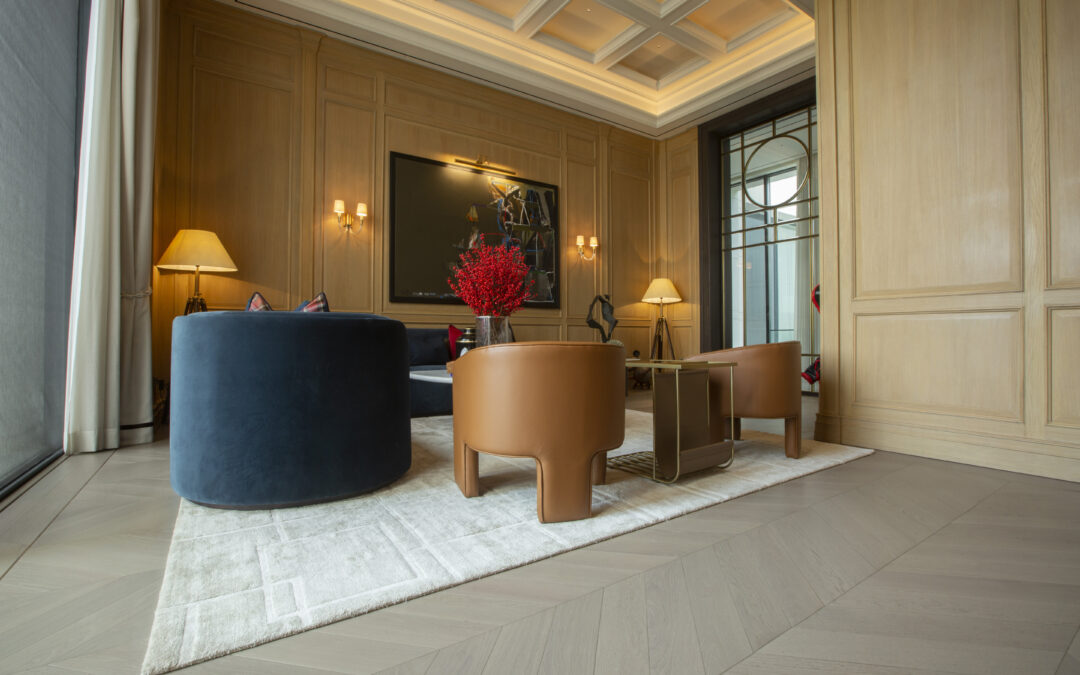
Engineered wood floors in 2026 are no longer treated as a neutral base. Designers across India, Nepal, Bhutan, and the UAE are increasingly using them as a design layer in their own right – customised, patterned, textured, and expressive.
This shift is driven by one clear idea:
floors should add character, not disappear.
This article breaks down how designers are practically using engineered wood flooring today – from bespoke CNC patterns to wide planks, borders, finishes, and full-floor continuity – across diverse architectural styles and climatic conditions.
1. Custom Patterned Wood Floors: The Rise of Bespoke Design
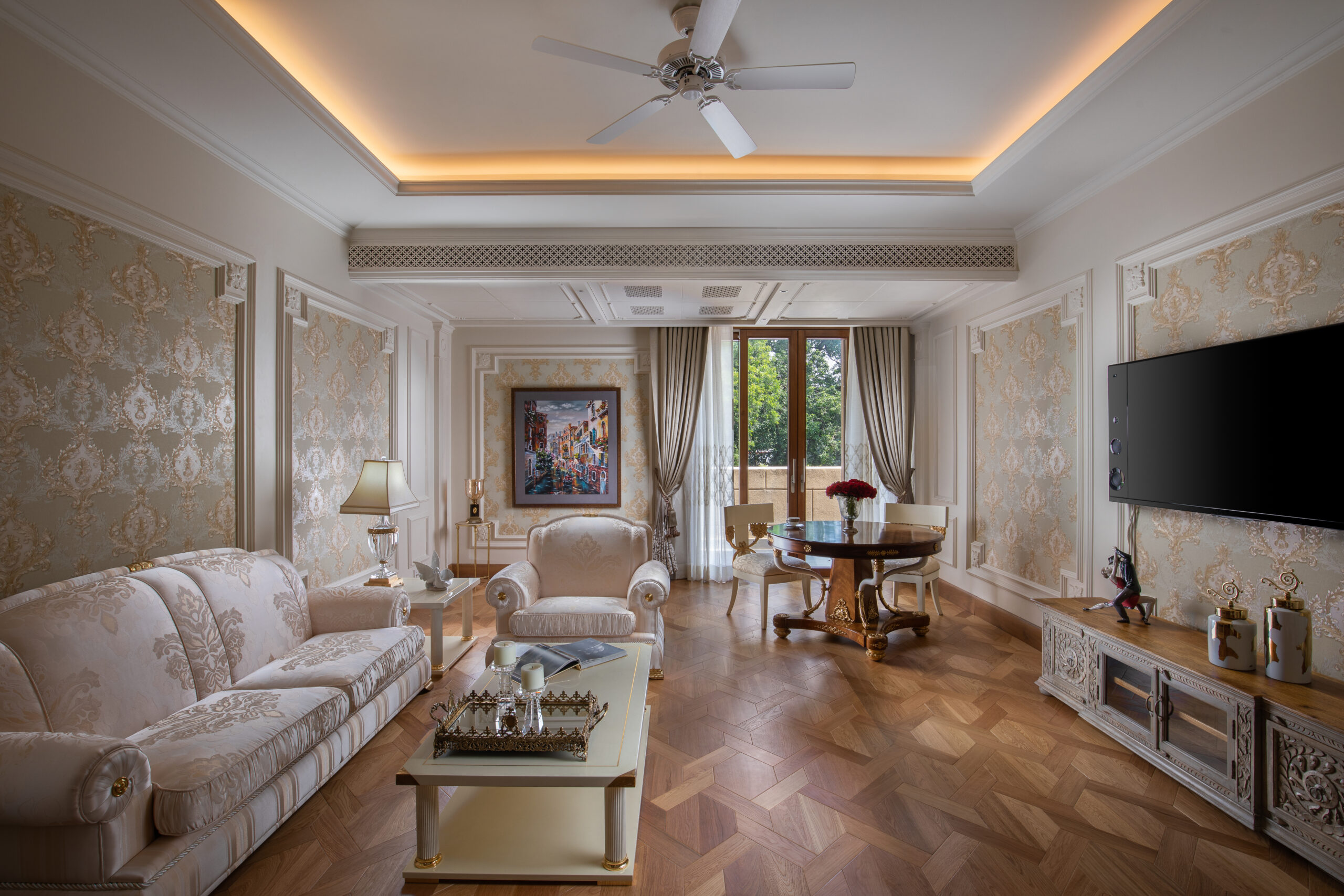
One of the strongest trends in engineered wood flooring is the move toward custom patterns.
Designers are increasingly specifying:
- Mansion weave
- Braid patterns
- Intricate geometric layouts
- CNC-crafted design panels
With CNC machining, designers are no longer limited to standard parquet formats. Any motif, proportion, or rhythm can be created, allowing floors to be designed as bespoke architectural surfaces rather than catalogue products.
These floors are often layered with:
- Carefully selected rugs
- Custom furniture
- Focused lighting
This layering allows the floor to hold its own while still supporting the overall interior narrative.
At Span Floors, many of these bespoke patterned floors are executed using CNC-crafted panels and custom layouts, allowing designers to translate unique concepts into technically stable engineered wood flooring.
Design note:
Custom floors work best when the surrounding palette is calm, letting the floor anchor the space without visual competition.
A Mansion Weave Pattern Floor-By Span Floors!
2. Framed Wood Floors: Borders, Inlays and Visual Order
Another growing trend is framing engineered wood floors to bring structure and hierarchy to spaces.
Common approaches include:
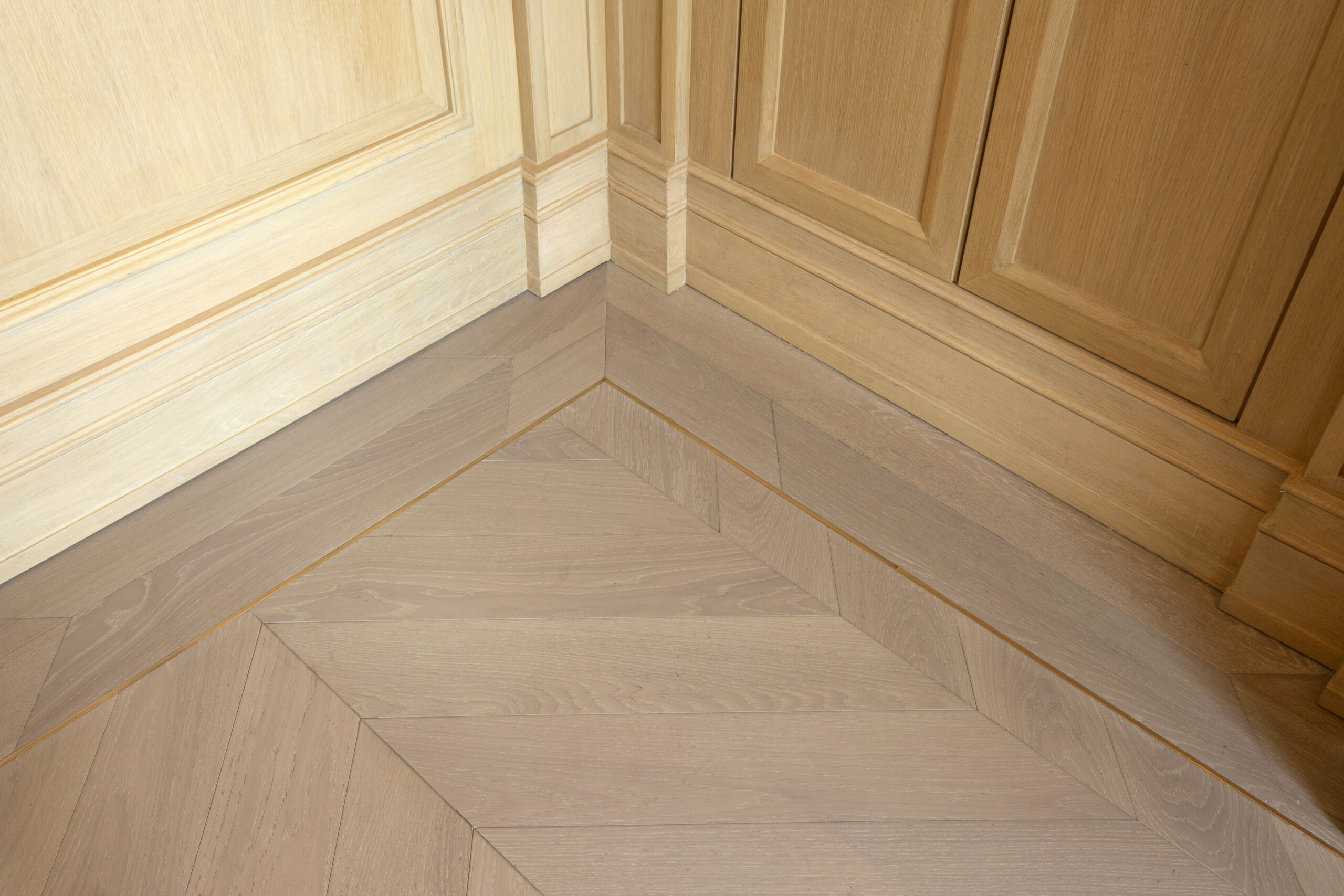
- Herringbone or chevron centres with plank borders
- Versailles or square panels framed with straight planks
- Brass or subtle metal detailing between patterns
- Tone-on-tone borders instead of high contrast edges
Framed floors help:
- Define large rooms
- Create visual transitions
- Add a sense of craftsmanship and permanence
When detailed correctly, borders elevate flooring from a surface to a composed design element.
A Chevron Pattern with Brass and Plank Border!
3. Continuous Wood Flooring Across the Entire Floor Plate
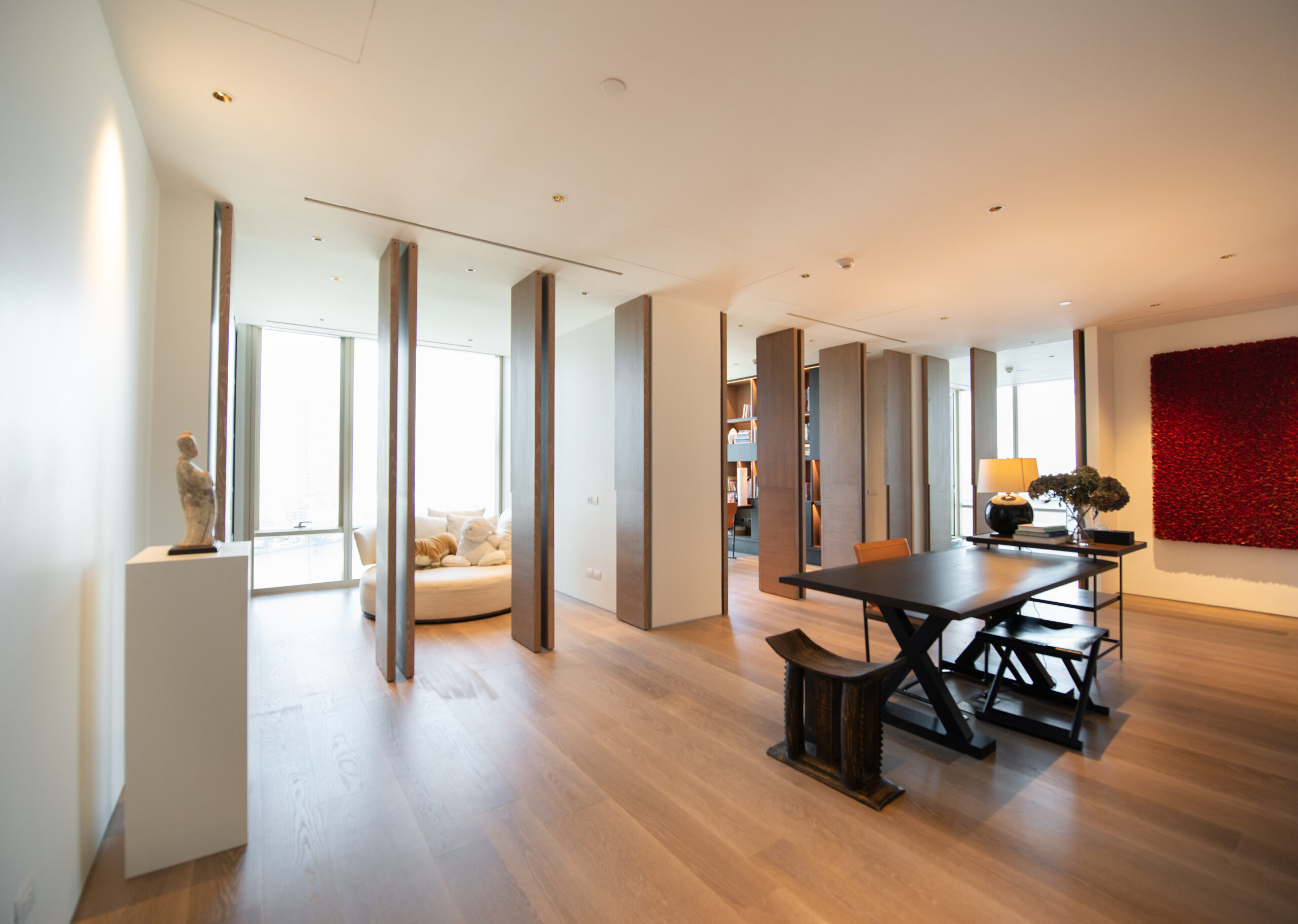
Designers are increasingly opting for one continuous engineered wood floor across the entire home.
This approach:
- Creates visual calm
- Makes spaces feel larger and more cohesive
- Allows furniture, rugs, and lighting to define zones
It is especially effective in:
- Open-plan homes
- Apartments with long sightlines
- Contemporary residences seeking understated luxury
Consistency in plank width, tone, and finish is essential for this strategy to succeed.
A single tone Plank format Engineered wood floor at a Residence!
4. Wide Plank Engineered Wood Floors: Scale as a Design Tool
Wide planks are now being used far more confidently, with widths ranging from 190 mm up to 300 mm, even in compact rooms.
Why designers prefer wide planks:
- Fewer seams create a cleaner visual field
- Spaces appear larger and calmer
- Grain becomes more expressive
- The floor feels architectural rather than decorative
In smaller rooms, wide planks often outperform narrow planks by reducing visual clutter.
A Wider Plank Engineered wood floor!
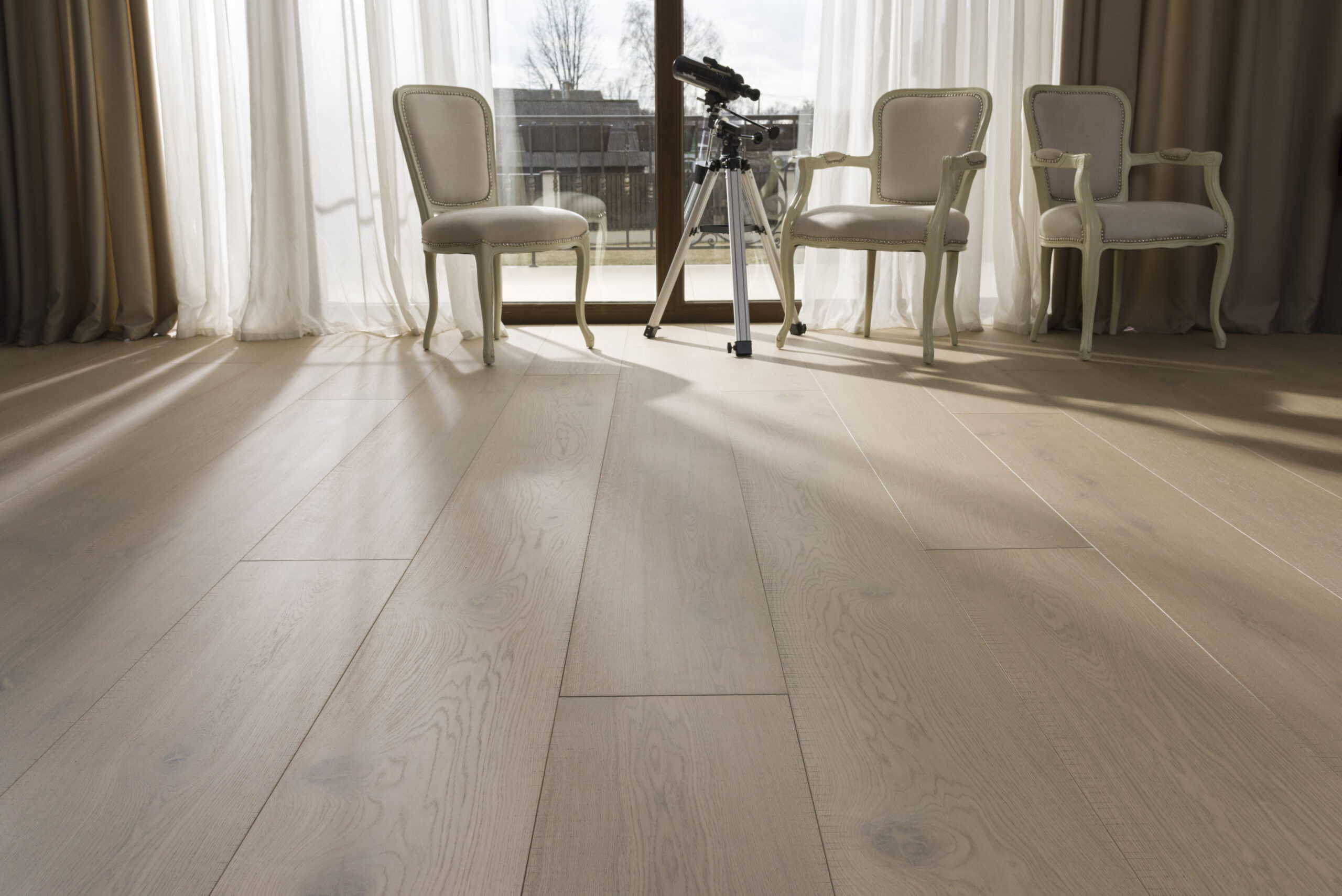
Photo Credit – © Coswick
5. Surface Finishes: Smoked, Brushed and Textured
Surface finish is central to the 2026 aesthetic.
Designers are gravitating toward:
- Smoked finishes for depth and richness
- Wire-brushed surfaces that enhance grain
- Matte and oil finishes instead of gloss
These finishes:
- Absorb light rather than reflect it
- Conceal wear gracefully
- Contribute to a “well-lived-in” feel
The objective is patina, not perfection.
A Brushed Textured finish Engineered Wood Floor!
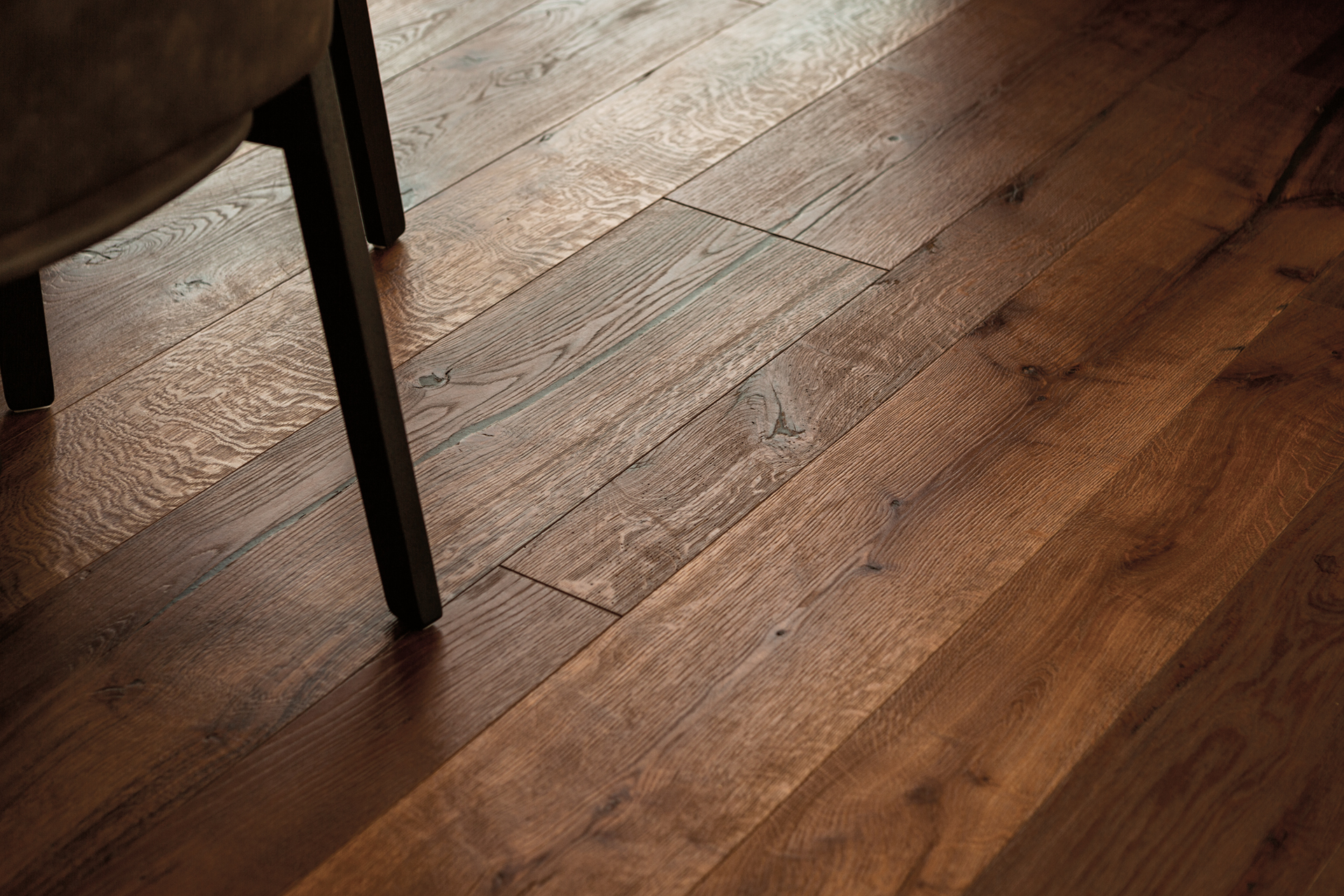
Photo Credit – © Fiemme Tremila
6. Designing for Different Regions and Climates
While the visual language of engineered wood flooring remains consistent, execution varies based on location.
Across regions such as:
- North and Central India
- The Himalayan belt (Nepal and Bhutan)
- Air-conditioned residences in the UAE
Designers rely on engineered wood flooring because it offers:
- Dimensional stability for wide planks and patterns
- Compatibility with air-conditioning and heating systems
- Predictable performance across humidity variations
This makes engineered wood particularly suitable for large-format planks, CNC patterns, and continuous flooring layouts, even in regions with contrasting climatic conditions.
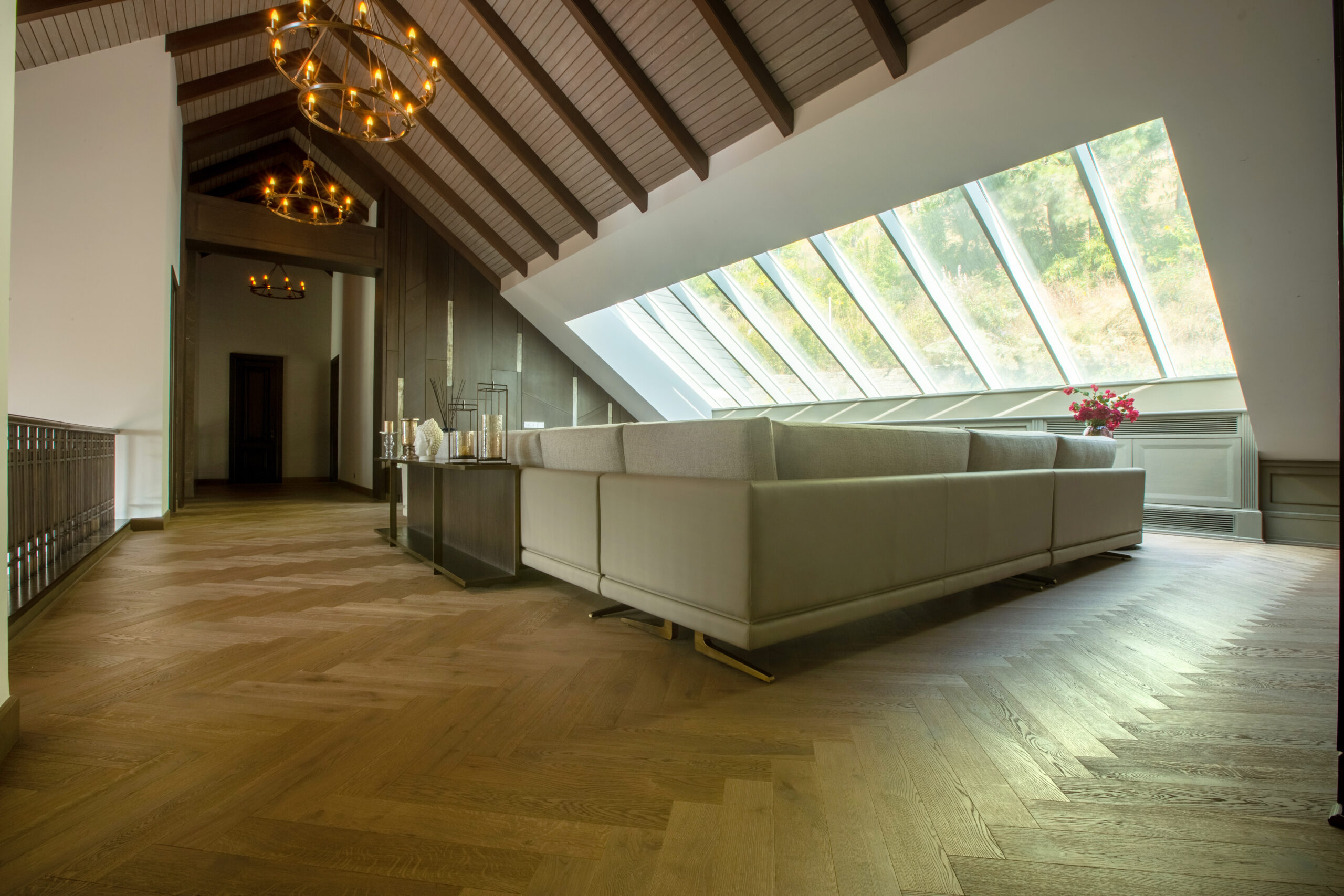
Engineered wood floors installed in a Residence at Hills – Solan, Himachal Pradesh!
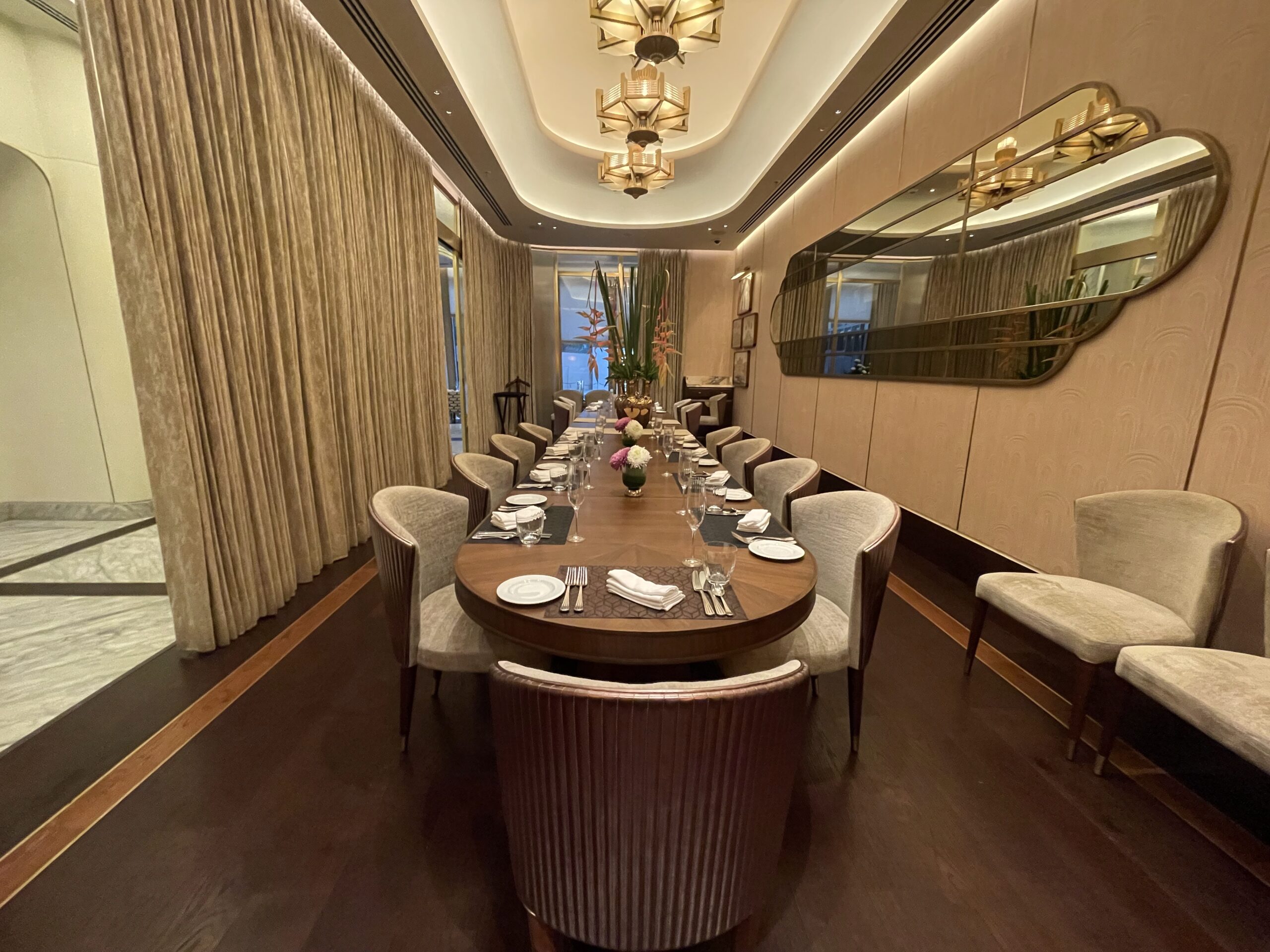
Engineered wood floor installed at a Restaurant in Coastal Area-Mumbai, Maharashtra
The Bigger Shift: From Perfect Floors to Character Floors
Across all these trends, one principle is consistent:
- Engineered wood floors are being designed to age beautifully, not remain visually static.
- Variation, texture, and subtle imperfections are now considered design strengths rather than flaws.
Final Thought
At Span Floors, we see engineered wood floors not as finished products, but as long-term surfaces that mature with the home. Whether executed in India, Nepal, Bhutan, or the UAE, the principles remain the same – clarity of design intent, respect for material behaviour, and detailing that allows wood floors to age with dignity.
Contact
+91 9971509922,
+91 9212096387
Address
Registered Office
25/35, Basement,
Punjabi Bagh West,
New Delhi-110026